
"country coffee varieties"
20000 article(s) found

Coffee beans and coffee trees varieties of coffee trees
After understanding the different types of coffee, let's take a look, especially the Arabica coffee that people are most concerned about can be divided into many different varieties.

A single variety of coffee beans produced in a single country.
Single coffee: a single variety of coffee beans produced by a single origin can be called single coffee, which is generally drunk without milk or sugar, and is called black coffee or black coffee in some parts of the country. Has the strong characteristic, the taste is unique, the good single product coffee processing method is special, therefore the price is also expensive, the taste is also relatively good. Single coffee naming method: single coffee useful coffee

Varieties of Salvadoran coffee beans Salvadoran coffee history
Coffee Origin Editor in the early 1990s, guerrilla warfare greatly damaged the country's national economy, reducing coffee production from 3.5 million bags in the early 1970s to 2.5 million bags in 1990-1991. The eastern part of the country was most affected by guerrilla warfare, and many farmers and workers were forced to leave the manor. The shortage of funds has led to a sharp drop in coffee production, from 1200 kg per hectare in the past to today's

Classification and characteristics of coffee how many kinds of coffee and what brand of coffee tastes good
Professional coffee knowledge exchange more coffee bean information Please pay attention to the coffee workshop (Wechat official account cafe_style) currently there are so many coffee beans around the world that there is no correct number. At present, I know that there are 25 well-known countries that produce coffee beans, each country has a variety of coffee beans with different names, the following is what I found on the Internet, I hope to help you. Pull

Costa Rican coffee varieties Kadura, Kaduai
Full-bodied particles, ideal acidity, unique and intense aroma. Tarrazu, Costa Rica, is one of the world's leading coffee producers, producing coffee with a light, pure flavor and pleasant aroma. Costa Rica's volcanic soils are fertile and well drained, making it the first country in Central America to grow coffee and bananas for commercial value. Coffee and bananas are the country's staple foods.

Introduction of Coffee Bean Variety and characteristics of Fine Coffee Bean in Fire Phoenix Manor, Costa Rica
Coffee was introduced into Costa Rica from Cuba in 1729. Today, its coffee industry is one of the well-organized industries in the world, with a yield of 1700 kg per hectare. Costa Rica has only 3.5 million people but 400m coffee trees, and coffee exports account for 25 per cent of the country's total exports. The volcanic soil of Costa Rica is very fertile and well drained, especially in the central part.

Introduction to the flavor description and taste of El Salvador Himalayan coffee varieties
El Salvador's coffee accounts for 40% of the country's exports, and it is usually picked in November, December and January-March of the following year. The export of raw beans lasts almost all year round. Coffee is produced in seven of the country's 14 provinces, with the largest number in the northwestern provinces of chalatenango and santa ana. The coffee produced in El Salvador is 100% Arabica, of which 68% is

Costa Rican Coffee Flavor Description Grind Characteristics Price Variety Producing Area Taste Introduction
Tarrazu, Costa Rica, is one of the world's leading coffee producers, producing coffee with a light, pure flavor and pleasant aroma. Costa Rica's volcanic soils are fertile and well drained, making it the first country in Central America to grow coffee and bananas for commercial value. Coffee and bananas are the country's main exports. Coffee was introduced to Costa Rica from Cuba in 1729.
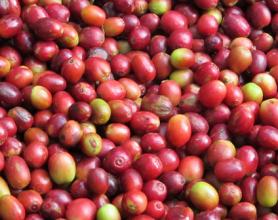
Flavor description of Burundian aa Coffee Bean introduction to the producing areas of varieties by taste treatment
Flavor description of Burundian aa Coffee beans; Burundian coffee bears a striking resemblance to neighboring Rwanda, and coffee produced in these two countries is often confused. Burundian coffee is mainly grown in bourbon, with traditional wet processing of coffee cherries. Its boutique coffee is characterized by elegant sweetness and bright citrus aromas. Ben
Detailed introduction of the method of Variety treatment in African Coffee producing areas in Rwanda
African Rwanda Coffee Inland Eastern Africa the country of Rwanda is located in the middle of the continent, not far from Kenya, one of the world's leading coffee countries. It was not until the early 20th century that the first coffee trees arrived in Rwanda, but it was another three decades before Rwanda's coffee production began to take off. A desolate country that developed coffee culture under the impact of the war. After the war subsided, farmers

Introduction to the Flavor description treatment of Columbia Nana Linglong Coffee Variety characteristics
Colombia, located in the northwest of South America, is a beautiful country with a long history. Indians have lived on this land since ancient times. It was colonized by Spain in 1531 and gained independence in 1819. It was renamed in 1886 to commemorate Columbus, the discoverer of the American continent. In 1808, a priest transferred coffee from the French Antilles to Venezuela.

Costa Rican coffee is available in a variety of ways.
Costa Rica's high latitudes produce coffee beans famous in the world, rich, mild taste, but extremely acidic, coffee beans here are coffee beans carefully processed, because of this, only high-quality coffee. Tarasu, south of San Jos, Costa Rica's capital, is one of the country's most prized coffee plantations. Tarasu (

Kenyan coffee-producing countries with rich conditions for growing coffee beans
The highest temperature of the year is 22: 26 ℃ and the lowest is 10: 14 ℃. These conditions are very suitable for the excellent growth of Arabica beans. And high-quality Arabica coffee beans, its suitable growth conditions are on the slope of 900m ~ 2000 m above sea level in the tropics, the suitable growth temperature is 1524 ℃, the higher humidity, the annual rainfall is not less than 1500 ml, the soil is fertile and suitable for acidity and alkalinity.

Costa Rican Coffee Flavor Description Processing Characteristics Variety Producing Area Taste Planting Environment Introduction
Coffee was introduced to Costa Rica from Cuba in 1729, and today its coffee industry is one of the most well-organized in the world, producing up to 1700 kilograms per hectare. Costa Rica has a population of 3.5 million, but coffee trees number 400 million, and coffee exports account for 25% of the country's total exports. The volcanic soils of Costa Rica are very fertile and well drained, especially in the central part.

Description of the Flavor of Ugandan Coffee introduction to the varieties treated in the manor area
Uganda coffee flavor description manor area treatment varieties Uganda's coffee production is among the highest in Africa, accounting for more than 70% of its total exports, while Uganda is also the hometown and main producing area of Robes specialty coffee. In the 1960s, Ugandan coffee production remained at 3.5 million bags a year. By the mid-1980s, coffee production had dropped to an annual rate, mainly for political reasons.

A brief introduction to the planting Market Price of Fine Coffee Bean varieties with strong Flavor
Rwanda has been growing coffee since colonial times. Although the crops are mainly coffee, the quality of coffee produced in Rwanda is not outstanding, and its status in the coffee world is low, and few people pay attention to it. Most of the coffee varieties grown in Rwanda are bourbon. Rwanda, known as the country of Thousand Hills, has a high-altitude mountain environment, fertile volcanic soil and abundant precipitation.

Introduction to the characteristics of Rwanda Coffee Flavor description and planting Environment of varieties in producing areas
The provinces prior to 2006 are as follows: Butare, Byumba, Cyangugu, Gikongoro, Gisenyi, Gitarama, Kibungo, Kibuye, Kigali, Kigali Ru

Flavor and taste characteristics of Ethiopian coffee manor introduce Ethiopian coffee varieties
Ethiopian coffee beans grow in close to the natural environment, after years of planting under the same growth conditions, Ethiopian coffee beans have gradually adapted to the environment here. More than 60% of coffee beans are grown in forests or semi-forests. Large-scale coffee-growing villages account for about 35% of the country's total coffee production. Many of these are used.

Description of Ecuadorian Coffee Flavor with Flower and Fruit Flavor introduction to the treatment of Grinding degree in Variety producing areas
Ecuador is located in South America, the equatorial line runs through the country, so Ecuador is also known as the equatorial country. Ecuador's superior geographical location, fertile soil and special climatic conditions have created a superior natural environment for coffee cultivation in the country. Ecuador is one of the few countries in the world that can produce both Arabica and Robusta coffee beans. Ecuador is the world.
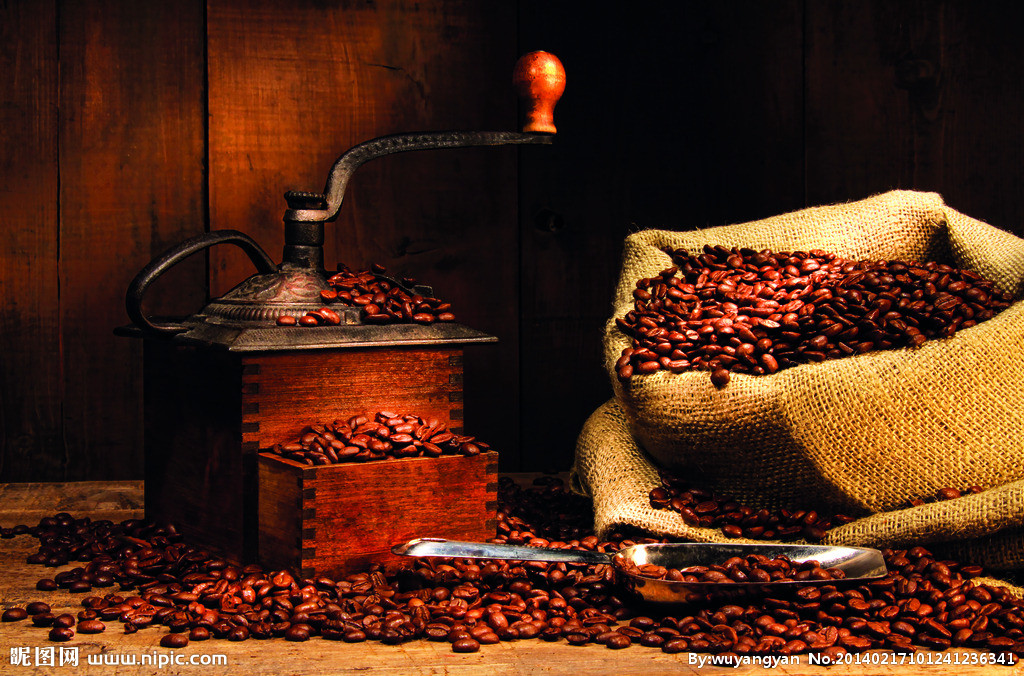
Delicious taste neutral Costa Rican coffee variety characteristics Taste Manor boutique coffee bean flavor medium
Costa Rican coffee is produced in The Republic of Costa Rica in southern Central America. Its coffee quality is similar to that of Colombia coffee, which is suitable for blending mixed coffee. Costa Rica's high latitudes produce coffee beans that are famous in the world, rich, mild in taste, but extremely acidic. The coffee beans here are carefully processed and positive.